
Browse Electric Vehicles
Select a vehicle to see detailed charging costs and savings breakdown by state.
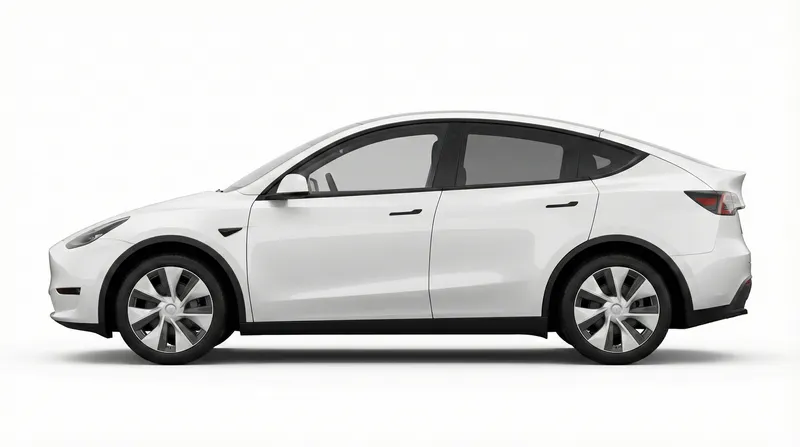
Tesla Model Y Long Range AWD
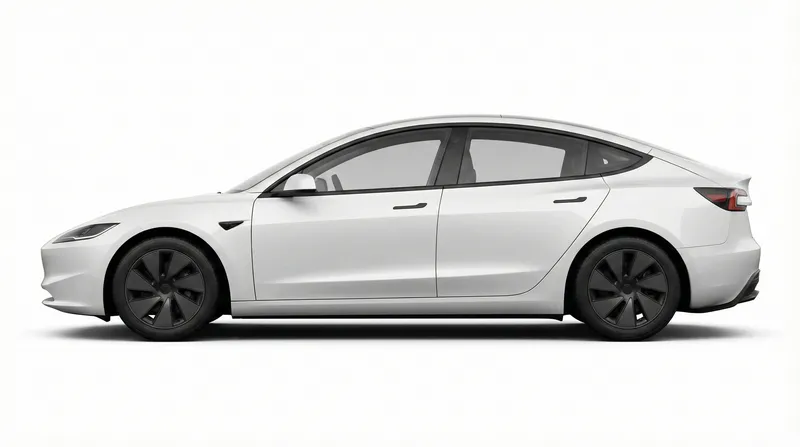
Tesla Model 3 Long Range AWD
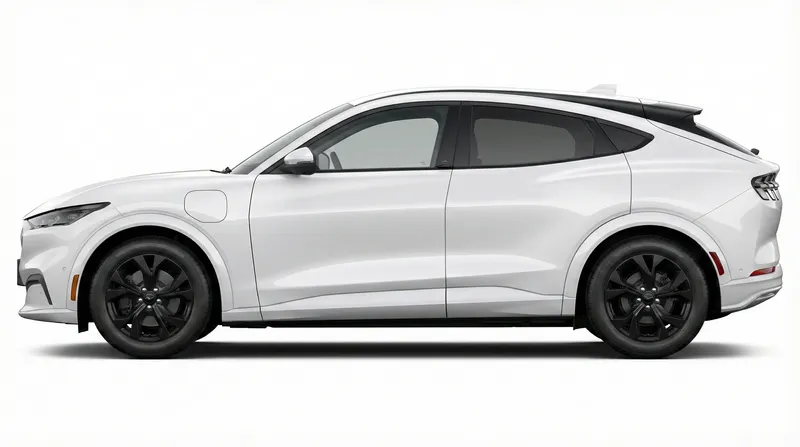
Ford Mustang Mach-E Premium (Ext. Range)
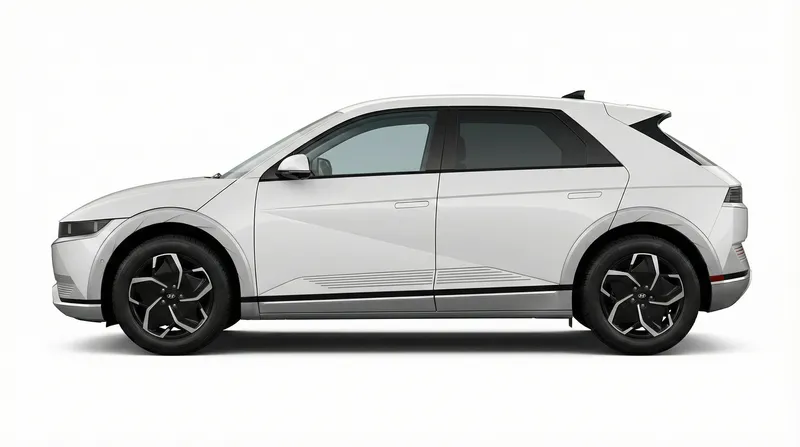
Hyundai IONIQ 5 Long Range AWD
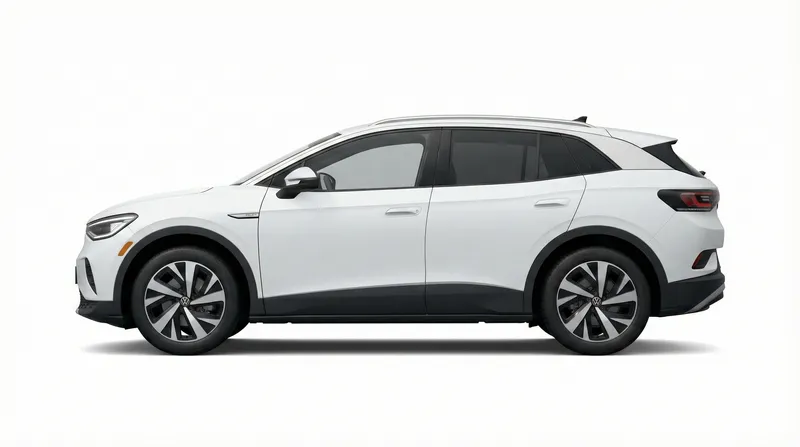
Volkswagen ID.4 Pro
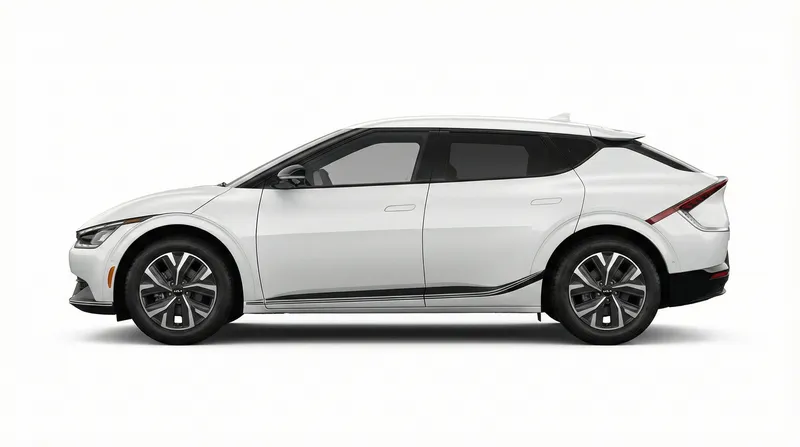
Kia EV6 Long Range RWD
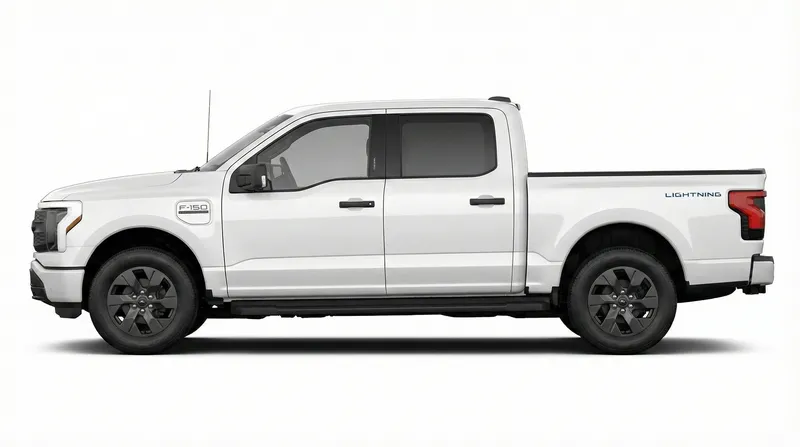
Ford F-150 Lightning (Ext. Range)
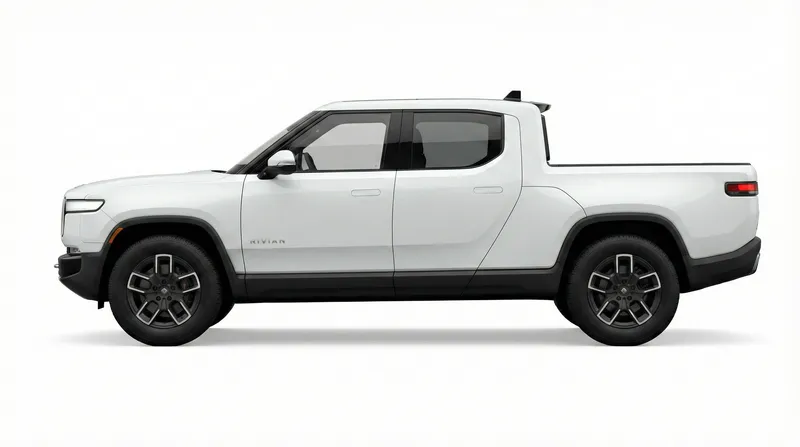
Rivian R1T Dual-Motor (Large Pack)
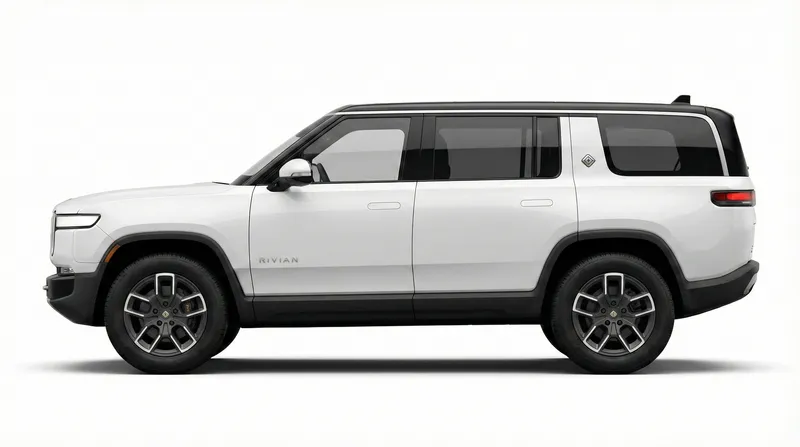
Rivian R1S Dual-Motor (Large Pack)
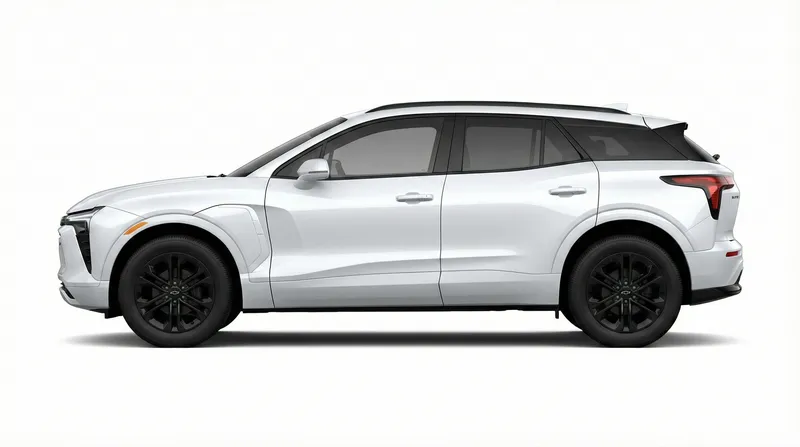
Chevrolet Blazer EV RS RWD
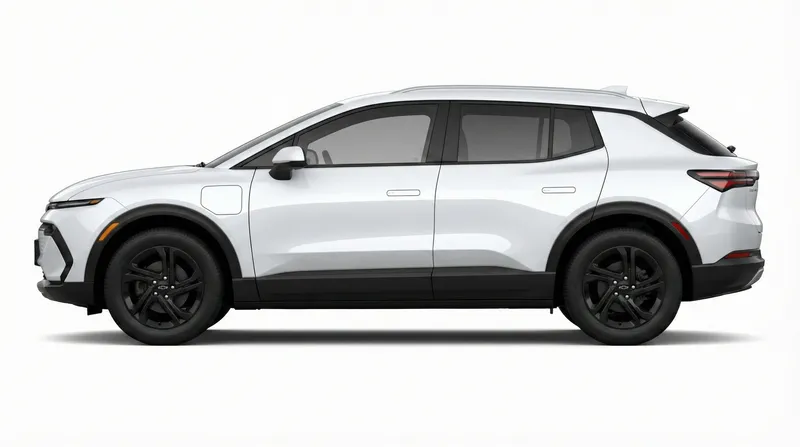
Chevrolet Equinox EV FWD
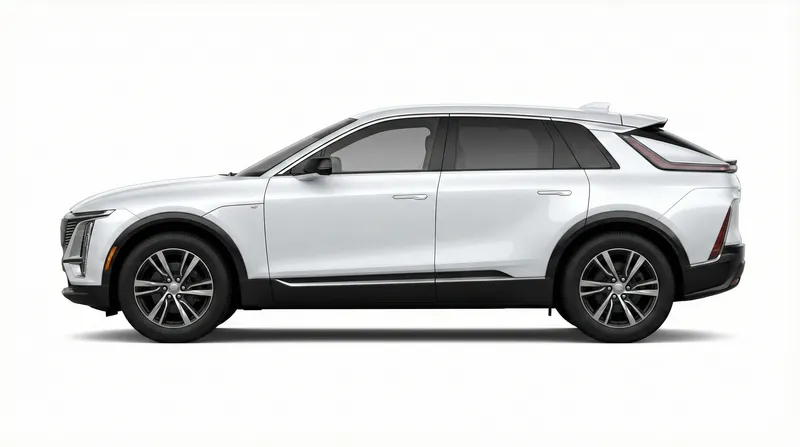
Cadillac LYRIQ RWD
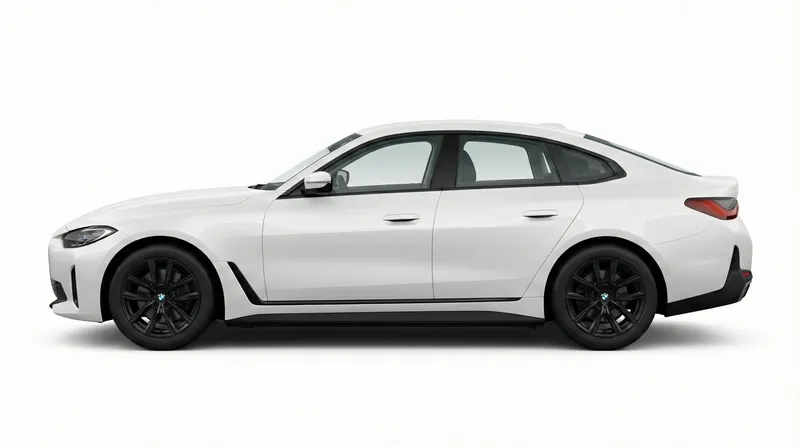
BMW i4 eDrive40
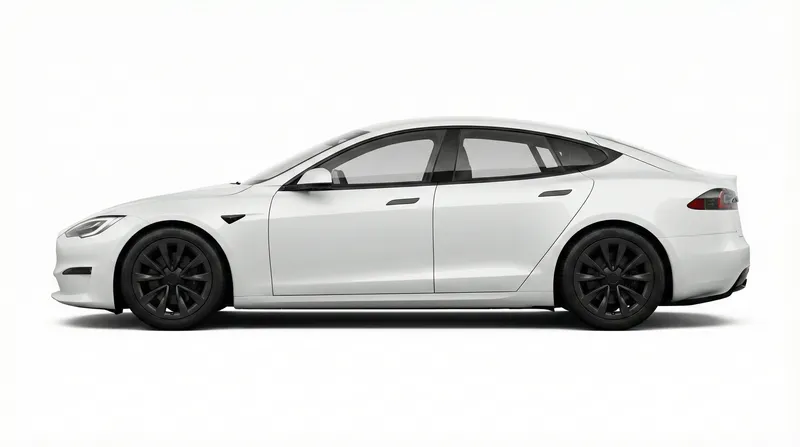
Tesla Model S Long Range
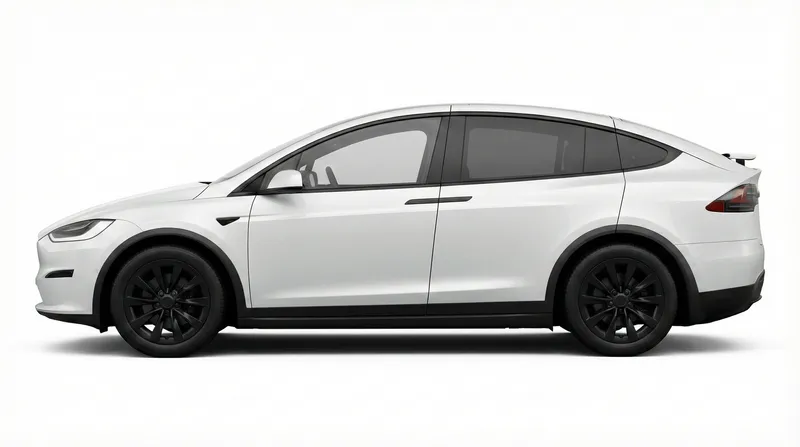
Tesla Model X Long Range
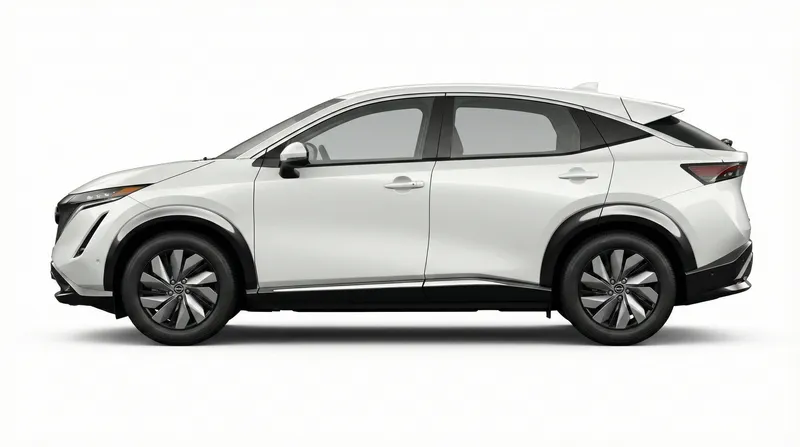
Nissan Ariya Evolve+ FWD
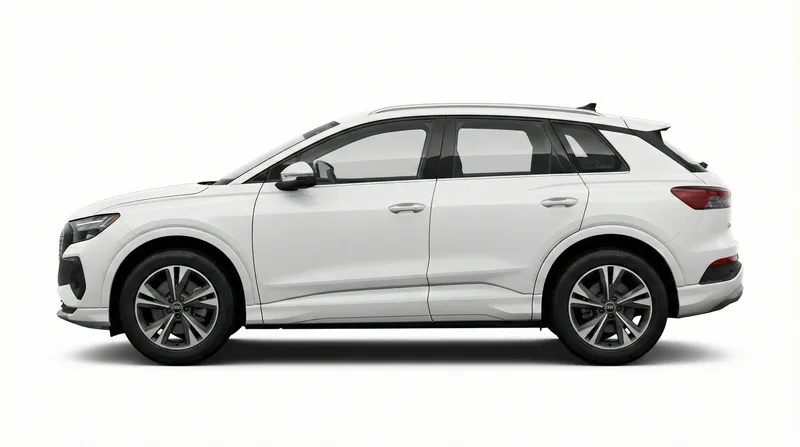
Audi Q4 55 e-tron
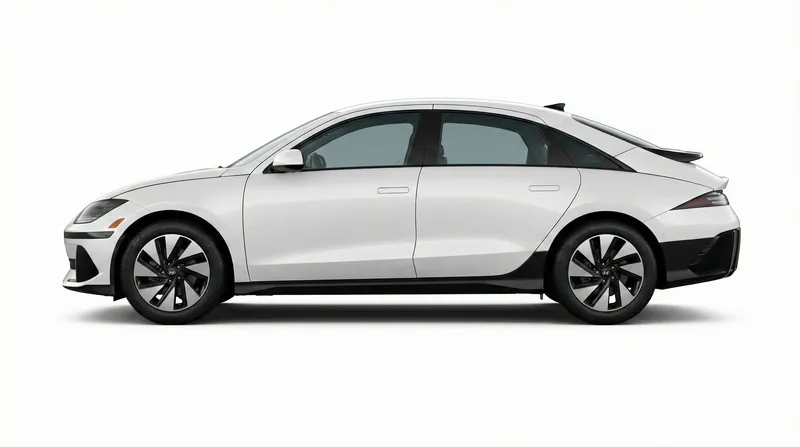
Hyundai IONIQ 6 Long Range RWD
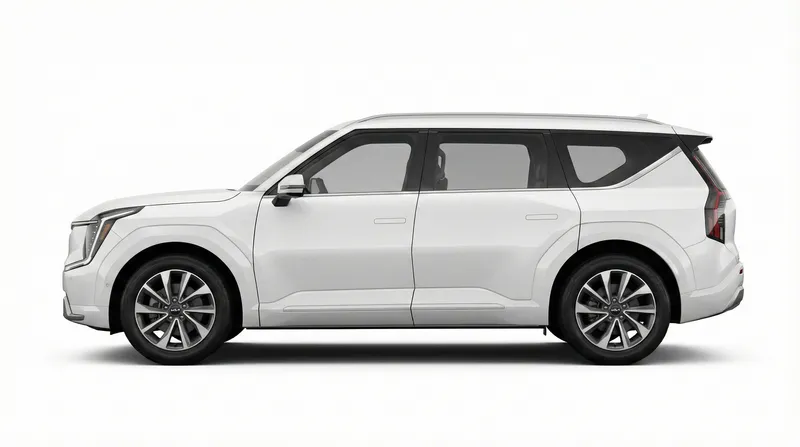
Kia EV9 Long Range RWD
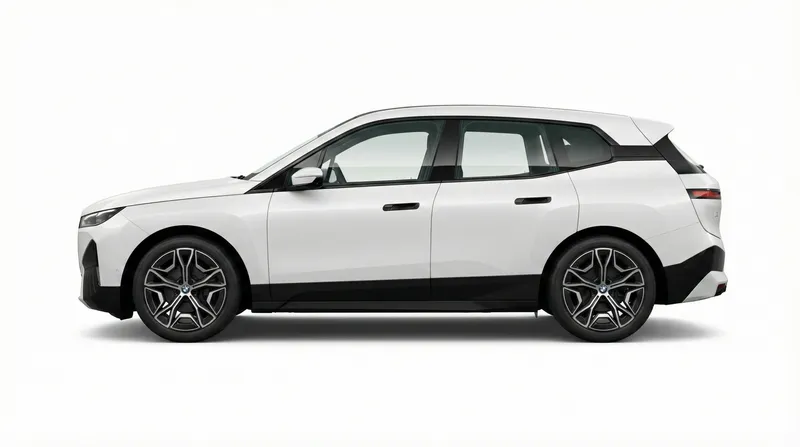
BMW iX xDrive50
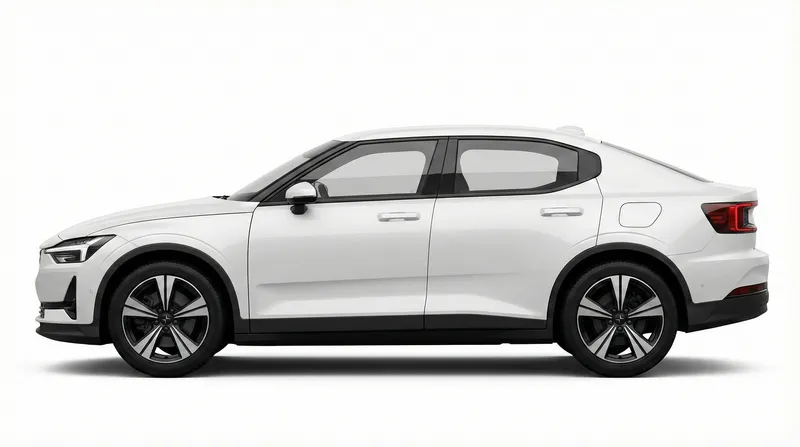
Polestar 2 Long Range Single Motor
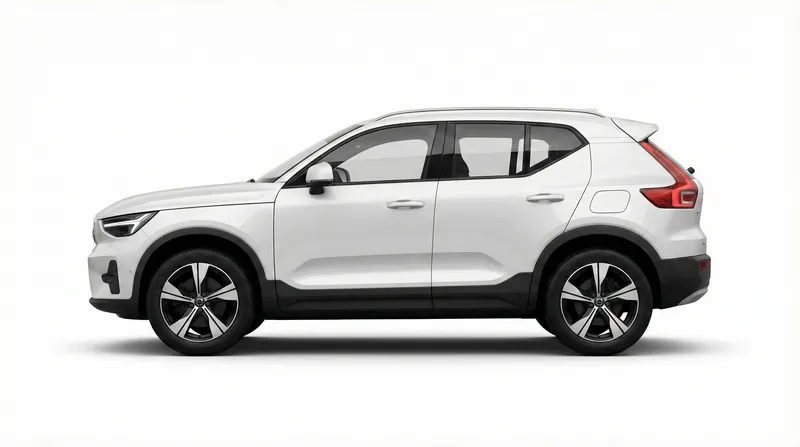
Volvo XC40 Recharge Single Motor
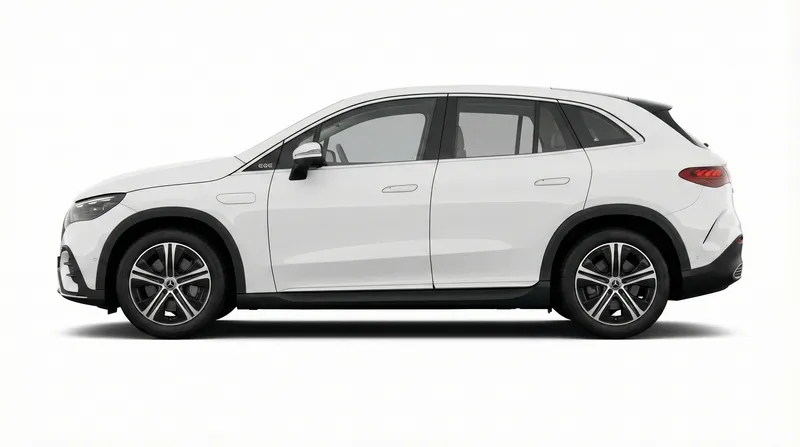
Mercedes-Benz EQE 350+ SUV
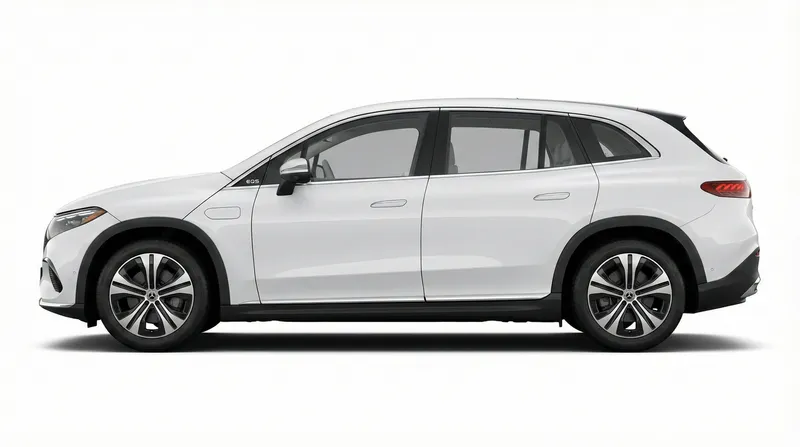
Mercedes-Benz EQS 450+ SUV
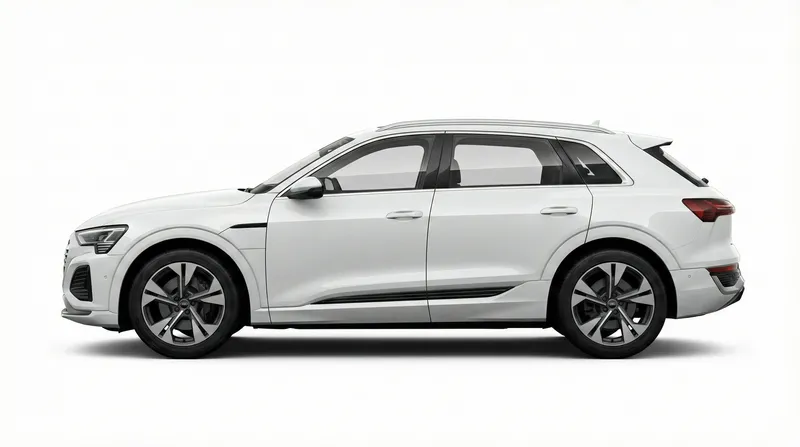
Audi Q8 e-tron 55
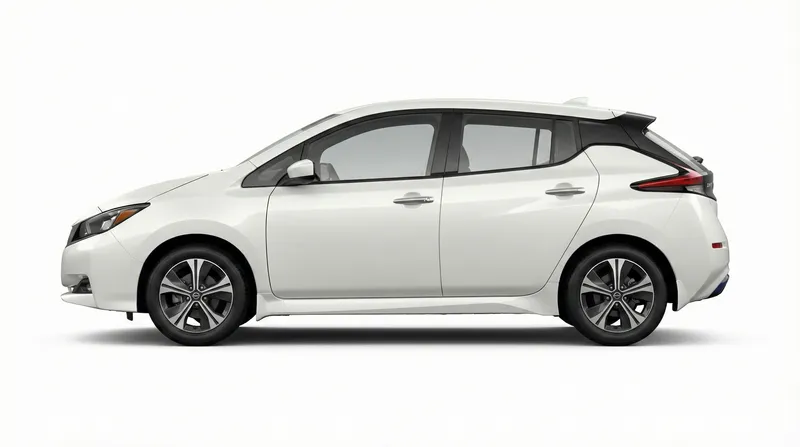
Nissan LEAF SV Plus
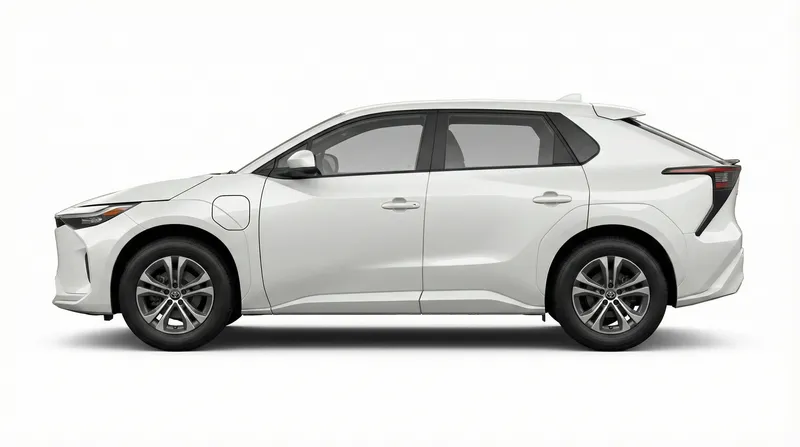
Toyota bZ4X XLE FWD
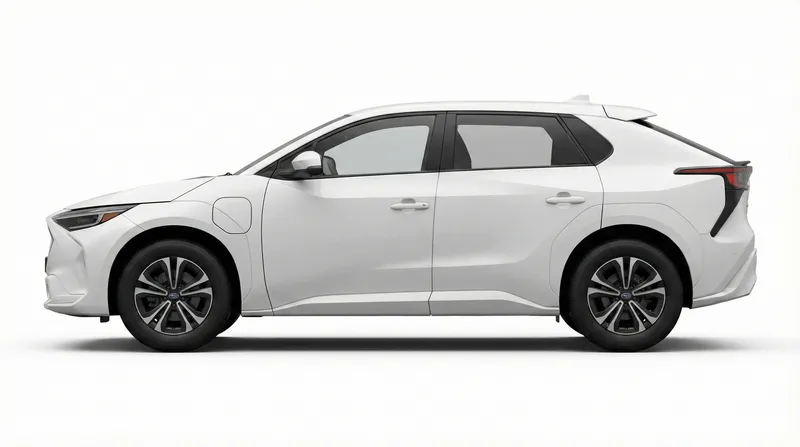
Subaru Solterra
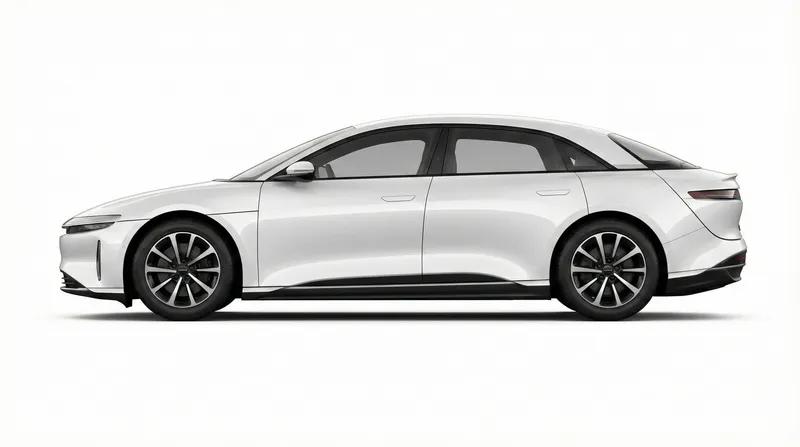
Lucid Air Pure RWD
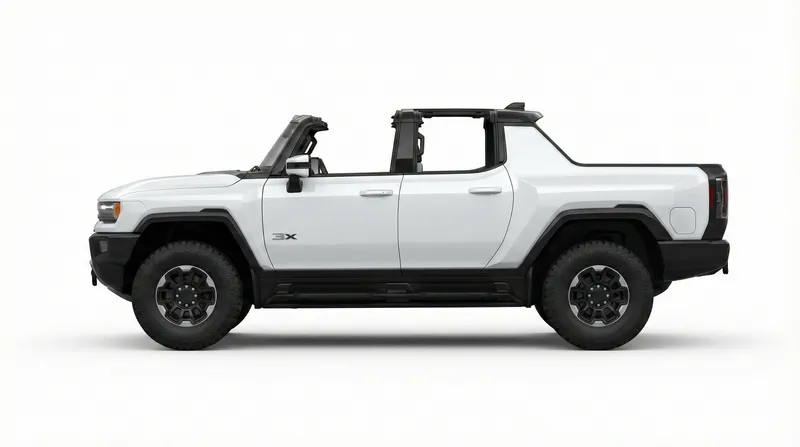
GMC Hummer EV Pickup 3X
Comparing EV Efficiency: Why kWh/100mi matters
When shopping for an electric vehicle, most buyers focus on range and charging speed. However, efficiency is arguably the most critical metric for long-term ownership costs. Just as MPG determines your monthly gas budget, an EV's efficiency rating—measured in kWh/100mi (kilowatt-hours per 100 miles)—dictates how much you'll pay to drive.
Efficiency measures how much energy a vehicle consumes to travel a specific distance. A lower kWh/100mi number is better. For example, a highly efficient sedan like the Tesla Model 3 might consume around 26 kWh to travel 100 miles. In contrast, a massive electric truck like the GMC Hummer EV can consume over 60 kWh for the same distance.
The Cost Impact
This difference isn't just academic; it directly hits your wallet. If you pay a typical residential rate of $0.16 per kWh:
- Model 3 (26 kWh/100mi): Costs ~$4.16 to drive 100 miles.
- Hummer EV (60+ kWh/100mi): Costs ~$9.60 to drive 100 miles.
Over 100,000 miles, that efficiency gap adds up to over $5,000 in extra charging costs for the less efficient vehicle.
Why Efficiency Varies
Several factors influence these numbers:
- Aerodynamics: Sleek sedans cut through air with less resistance than boxy SUVs or trucks.
- Weight: Heavy battery packs required for long range in large vehicles increase rolling resistance.
- Motor Design: Modern permanent magnet motors are significantly more efficient than older induction designs.
Use our database above to compare not just the "cool factor" of these EVs, but their real-world efficiency. Choosing a more efficient model reduces strain on the grid, charges faster (in terms of miles added per hour), and keeps more money in your pocket.